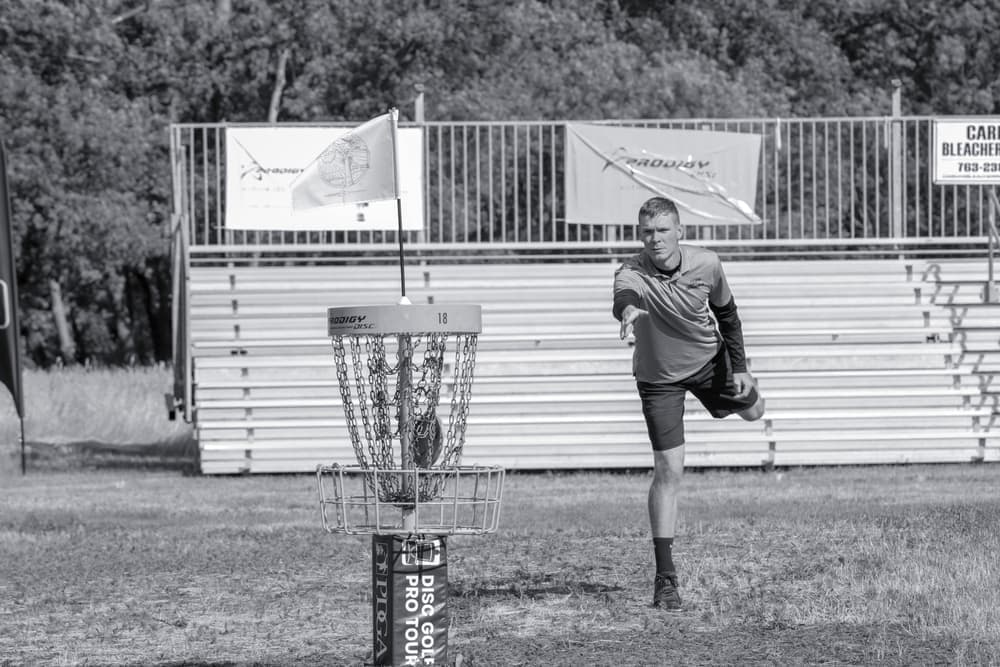
Best first disc
Discraft Buzzz
The three-disc core every new player should start with, plus two worth adding next.

Disc golf gear, by skill level
Expert disc golf gear picks, sorted by the level you actually play at - beginner, intermediate or tournament. Every flight number here was read from the manufacturer's own page.
The top pick from each of our buying guides, with a link straight to the page where it won and a price check on Amazon.
Best first disc
The three-disc core every new player should start with, plus two worth adding next.
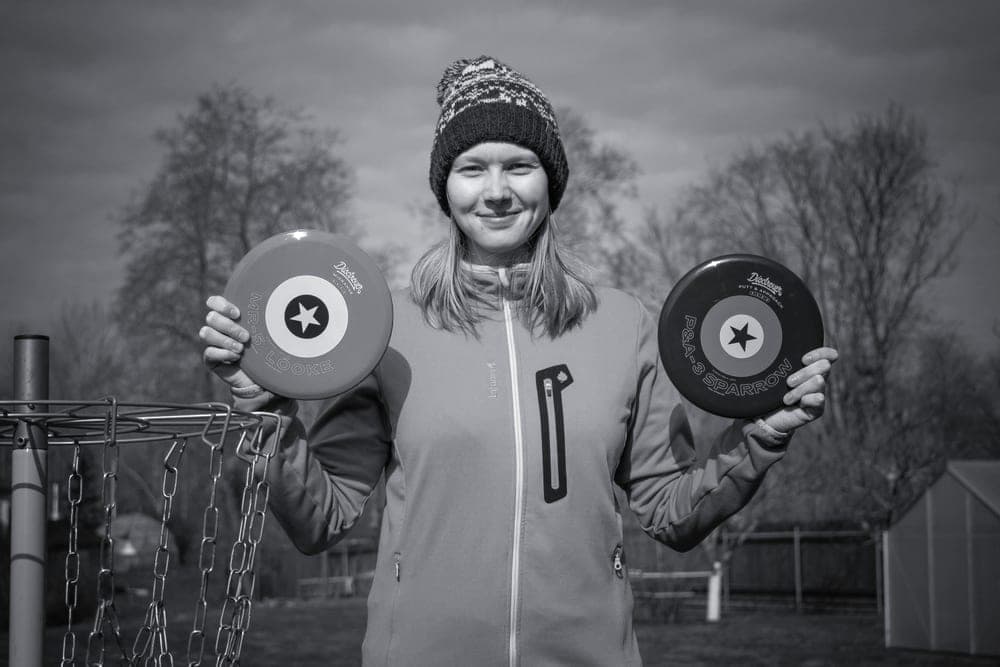
Best starter set core
The three molds a starter set should contain, and when to build your own instead.

Best beginner driver
Drivers slow enough to fly for a new arm, ranked by how forgiving they are.
Best beginner putter
Five putters that forgive an unpracticed stroke, compared on fade and feel.
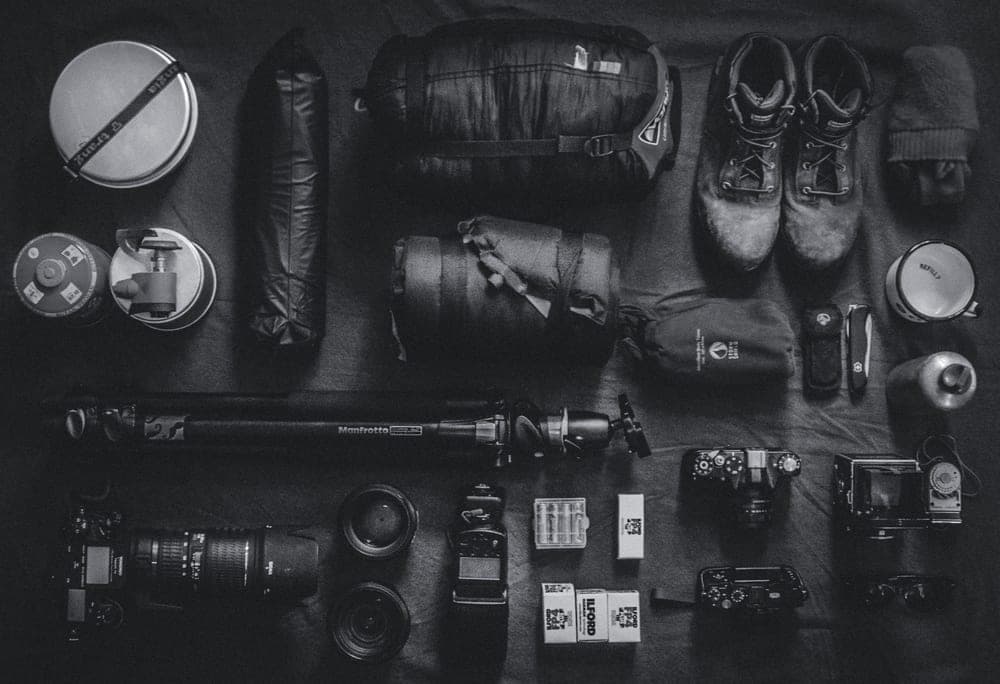
Best beginner bag
Sling bags and entry backpacks sized for a starter set rather than a collection.
Best beginner midrange
Four straight-flying midranges that reach full flight at beginner arm speed.
Gear that suits you depends far more on how far you actually throw than on how long you have played. Pick the section that matches your arm, not your ambition.
Level one
Everything a new player needs to buy, in the order it is worth buying — starter sets, a first putter, and the understable discs that fly at a developing arm speed.

Level two
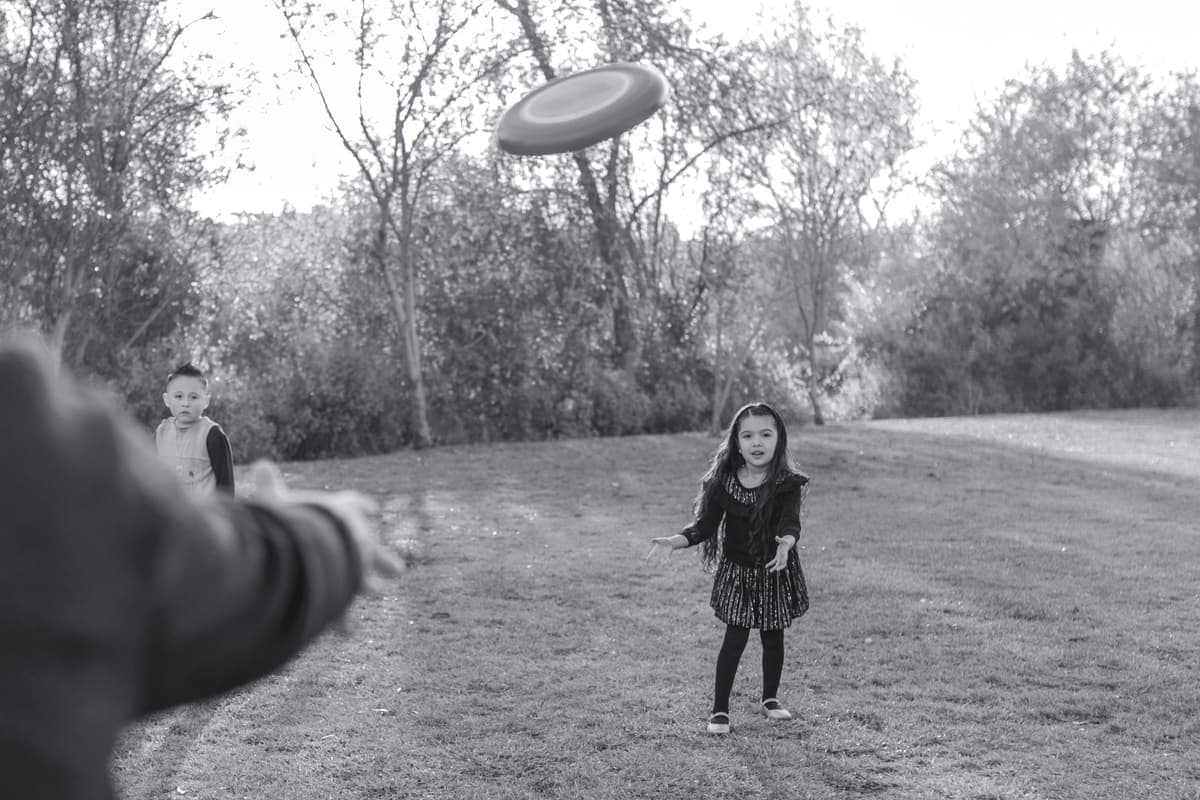
You are throwing 250 to 350 feet and your beginner discs are starting to turn over. This is the gear that matches the arm you have now.
Level three
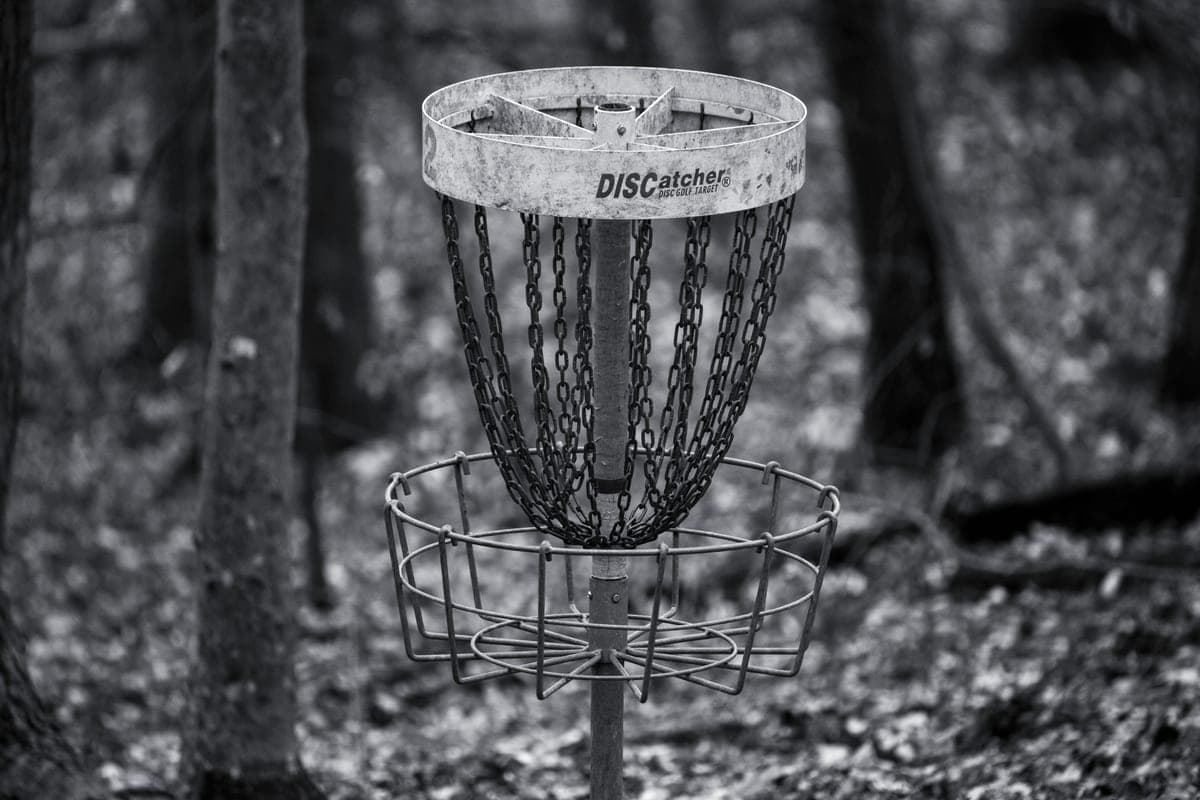
You throw 350 feet and over, you play events, and you carry duplicates. This is the gear that holds up across multiple rounds in a weekend.
By disc type
The four disc types, what each one is actually for, and head-to-head comparisons of the molds people most often choose between.

Everything else
The gear that is not a disc — chosen by what you actually carry, where you actually play, and how much you actually practice.

How it all works
Flight numbers, stability, plastic and weight — the vocabulary that turns a wall of product listings into a decision you can actually make.
Four things we do that most disc golf buying guides do not.
Every pick states who it suits in level terms, and every roundup links to its counterpart one level up and one level down. The disc that is right at 230 feet is wrong at 380, and almost nobody says so.
Speed, glide, turn and fade on this site come from the manufacturer's own published product page, and each one is linked. Nothing is recalled, estimated or copied from another review site.
There is no test lab and no field testing behind these picks. They come from published specs, current retailer availability and documented community consensus, and we say so on every page.
Where we have a live, dated price we show it. Where we do not, the button says to check on Amazon rather than quoting a number that may be months old.
The three pages that carry most of what this site has to say.

Start here
Five hiking shoes and trail runners judged on what disc golf actually demands.
Start here
Six bags from an 8-disc sling to a 30-disc tournament pack, by capacity.
Start here
The three-disc core every new player should start with, plus two worth adding next.
Hyzer & Chain is reader-funded. When you buy something through a link here, we earn a commission from the retailer at no extra cost to you. That is the entire business model — there is no sponsored content, no paid placement, and no brand has any say in what appears on these pages.
Picks are ordered by what we think is best for the buyer, not by what pays most. Read the full affiliate disclosure, the methodology behind every pick, or our editorial policy.